Why a Full Car Wrap Is the Smarter Choice for Personalization and Protection
More Than Just a New Color
Walking into a car showroom, you pick the color that feels right. But a few years down the road, that factory finish starts to feel ordinary. You see a matte black sedan pull up and think, "That looks sharp." Or a gloss white sports car that seems to glow under the sun. Changing your car's appearance used to mean a trip to a paint shop, with days of downtime and a permanent commitment. A full car wrap changes that calculation entirely. It is a removable, durable vinyl wrap that transforms the entire vehicle. It is not just a cosmetic upgrade. It is a protective layer that preserves the original paint underneath.
In Singapore, where the tropical sun is relentless and parking lots are tight, a wrap makes practical sense. The heat and UV exposure here can fade a car's clear coat over time. Minor scratches from careless doors or shopping trolleys are part of daily life. A quality vinyl wrap from a brand like 3M or Oracal acts as a sacrificial layer. It takes the abuse while the factory paint stays untouched underneath. When you finally remove the wrap, the car looks as it did on delivery day.
The Difference Between a Partial Wrap and a Full Car Wrap
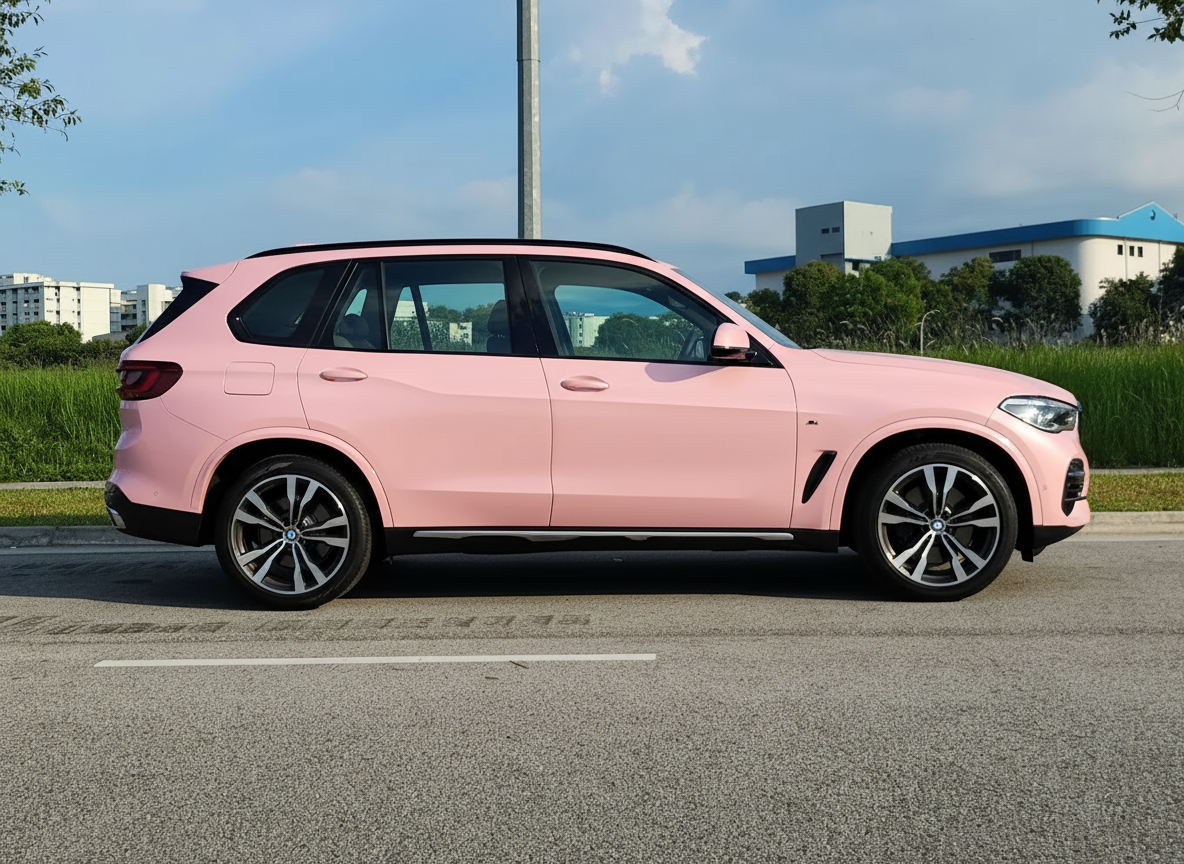
Many drivers start with a partial wrap. They cover the hood, the roof, maybe the side panels. It is a good way to test the waters or to add vehicle branding for a small business. But a partial wrap leaves gaps. The edges of the vinyl can be visible, and the original color still shows through the uncovered areas. A full car wrap covers every painted surface from bumper to bumper. The result is a seamless, uniform finish that looks like a factory paint job.
When you go for a full car wrap, you commit to a complete transformation. The installer removes trim pieces, handles, and sometimes the door panels to tuck the vinyl around edges. This is where skill matters. A wrap that is cut and applied poorly will peel at the corners or show dirt along the seams. A professional installer using materials from Avery Dennison or Oracal will ensure the wrap conforms to every curve and recess. The difference is obvious when you see the car up close. The wrap follows the body lines without bubbles or wrinkles.
Materials Matter: Vinyl Wrap, Lamination, and Car Paint Protection Film
The market offers many types of vinyl wrap. The most common for full wraps are cast vinyl films from 3M, Oracal, and Avery Dennison. These films are designed to stretch and conform to complex shapes like bumpers and door handles. They also resist shrinkage over time, which is critical in Singapore's heat.
Lamination adds another layer of protection. A laminate overlay protects the printed or colored vinyl from UV rays, chemical stains, and minor abrasions. For a color change wrap, lamination is optional but recommended if you plan to keep the wrap for more than two years. For a chrome wrap or carbon fiber wrap, lamination can alter the finish slightly, so you want to check with the installer first.
Car paint protection film is a different product. It is a clear, thick polyurethane film applied to high-impact areas like the front bumper, hood, and side mirrors. It is designed to absorb impact from road debris. A full car wrap does not offer the same impact resistance, but it does protect the paint from UV and light scratches. Some owners combine both: a paint protection film on the front and a color wrap on the rest of the car.
Custom Design and Commercial Fleet Wrap: Two Different Goals
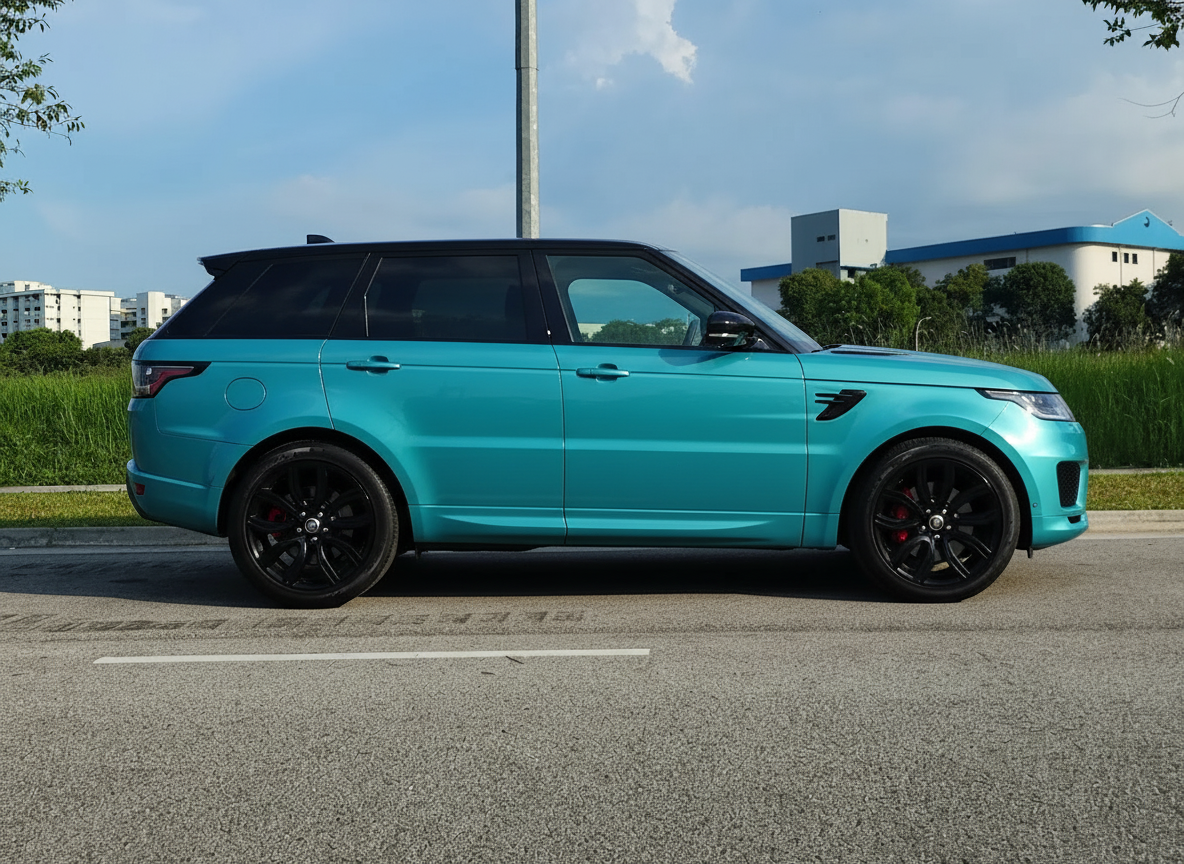
A full car wrap serves two main purposes: personal expression and business advertising. For personal use, people choose a color change wrap in a finish they love. Matte black and gloss white are perennial favorites, but metallic finishes, satin tones, and even textured wraps like carbon fiber wrap are gaining ground. Custom design wraps take it further. You can have a graphic pattern, a gradient, or a mural printed onto the vinyl and applied to the car. It is a way to stand out without the permanence of paint.
For businesses, a commercial fleet wrap is a mobile billboard. Every mile the vehicle drives, it advertises the brand. A full wrap gets more attention than a partial wrap because the message is uninterrupted. Fleet managers in Singapore often wrap entire fleets in a consistent design. The wrap also protects the vehicle's resale value. When the lease ends or the vehicle is sold, the wrap peels off to reveal factory paint. That matters in a market where a used car's condition affects its price.
Matte, Gloss, and Everything In Between: Choosing a Finish
The finish of a full car wrap changes how the car looks in different light. A matte finish gives a flat, non-reflective surface that hides dust and fingerprints well. It looks modern and understated. A gloss finish is shiny and shows off the car's curves. It requires more upkeep because water spots and smudges show easily. Some people choose a satin finish as a middle ground.
Specialty finishes like chrome wrap or carbon fiber wrap add texture or reflectivity. Chrome wrap is striking but can be difficult to maintain. It shows every swirl mark and needs careful cleaning. Carbon fiber wrap has a woven texture that works well on accents or full body applications. It is more forgiving of minor imperfections because the pattern hides them.
What a Full Car Wrap Costs and How to Budget
The price of a full car wrap depends on the size of the vehicle, the complexity of the design, and the material used. A simple color change wrap in a single finish on a standard sedan might cost less than a multi-color custom design with printed graphics. Premium materials from 3M or Avery Dennison cost more but last longer and remove cleanly. Cheaper vinyl can leave adhesive residue or crack after a year in the sun.
Installation labor is a major part of the cost. A good installer spends hours prepping the surface, cleaning every panel, and removing parts for a clean tuck. Rushing the job leads to wrinkles and early failure. In Singapore, you should budget between two to four thousand dollars for a quality wrap on a typical car. It is an investment that pays off in protection and personal satisfaction.
Maintenance and Longevity
A full car wrap requires less maintenance than paint, but it is not maintenance-free. You should hand wash the car with a mild soap and avoid automatic car washes with brushes that can lift the edges. Waxing is not recommended because wax can build up along the seams. Some people use a spray sealant designed for vinyl. The wrap should last between three and five years in Singapore's climate, depending on sun exposure and care. Parking in shaded or covered lots extends the life significantly.
Removal is straightforward for a professional. They use heat to soften the adhesive and peel the film off in sheets. The underlying paint should be unharmed, though old wraps may leave some adhesive residue that is cleaned with a solvent. It is a good idea to have the wrap removed by the same shop that installed it, as they know the material.
Wrap or Paint: Which One Is Right for You?
Paint is permanent and adds to the car's value if done well. But it is expensive, takes weeks, and cannot be reversed. A full car wrap is temporary. You can change it after a few years, or remove it to go back to the original color. For someone who likes variety or wants to protect the car's resale value, a wrap is the better choice.
Car detailing is still needed under a wrap. The vinyl does not prevent dirt from accumulating at the edges or around the trim. Regular detailing keeps the wrap looking fresh and prevents staining. Some wrap shops offer maintenance packages where they clean and inspect the wrap every few months.
Making the Decision
A full car wrap is not a small decision. It involves time, money, and trust in the installer. But for anyone who values both protection and personalization, it is one of the best upgrades you can make. Whether you want a matte black daily driver, a gloss white weekend car, or a full commercial fleet wrap for your business, the technology and materials available today deliver results that look professional and last. The key is choosing the right materials and an installer who treats every edge with care.